Embrace your gifts.
Love yourself.
Thrive.
Therapy for people with tender hearts and sensitive souls.
Therapy With Someone Who Gets You
Being highly sensitive is a gift, not a flaw. But as an HSP, you struggle to trust yourself, suffering from low self-esteem, high self-doubt, and intense insecurities. You feel broken, defective, and misunderstood. You deserve a therapist who understands what being highly sensitive feels like.
Welcome to Therapy for Highly Sensitive People.
HSPs are wired differently. We feel more. We sense more. We are deeply attuned to both our internal and external worlds. And, we also know that being an HSP can make life’s ups and downs harder than they need to be. We offer therapy support for a variety of challenging life experiences, including grief & loss, anxiety, depression, major life changes, and relationship issues — all through the lens of being highly sensitive.
Your sensitivity is a gift. Are you ready to embrace it?
"authenticity is the daily practice of letting go of who we think we’re supposed to be and embracing who we are."
— BRENÉ BROWN
Embrace your sensitivity
HSPs often feel like something is wrong with them or that they’re broken. We’re here to tell you that isn’t true. You’re not broken and you don’t need to be fixed.
What if instead of feeling defective, you could love your tender heart and sensitive soul instead?
In-person and virtual therapy throughout CA
We offer both in-person therapy and online therapy to clients throughout California, from Ocean Beach in San Francisco to Ocean Beach in San Diego and everywhere in-between...
Our offices for in-person therapy are located in Petaluma (now open) and Los Angeles (coming soon).
Our Specialties
-
Grief & Loss
HSPs often feel very isolated during grief. You tend to feel things very deeply and can struggle with change in general, making it even harder to cope with a loss. This can make the grieving processfeel overwhelming, but you don’t have to face it alone. We understand the intersection of grief and high sensitivity, and are here to support you in your journey.
-
Therapy for Therapists
Many therapists identify as highly sensitive and often feel misunderstood (at best) or pathologized (at worst) when seeking support from someone who doesn’t understand high sensitivity. We understand the unique needs of highly sensitive therapists and offer a safe space for self-exploration and healing.
-
Artists & Creatives
Artists and creatives are often HSPs who have brilliant minds, tender hearts, and sensitive souls. Whether you’re highly sensitive or not, things like anxiety, depression, and low self-esteem can create self-doubt and block your creativity, making life harder than it needs to be. You don’t have to live with those challenges. We can help.
-
Self-Esteem & Self-Worth
Highly sensitive people often struggle with low self-esteem and self-worth. You’re used to be told you’re too sensitive, your feelings are too big, or you’re just too much… As specialists in high sensitivity, we can help you embrace the gifts that lie within your sensitivities, eliminate shame you may feel about being highly sensitive, and learn to love your whole self.
-
Major Life Changes
Change can be difficult for highly sensitive people. It can be confusing, especially when it’s a change you’re excited about. It’s normal for HSPs to feel conflicted about major life changes, but you don’t have to go through it alone. We understand how hard change can be for you and are here to help you through it.
-
Depression & Anxiety
Highly sensitive people often struggle with symptoms of depression and anxiety. Because your nervous system is extra sensitive to stimuli, you may often function in a state of high stress and overwhelm. This can look or feel like depression or anxiety, and we can help you cope with it.
-
Couples & Relationships
Highly sensitive people can have a difficult time in relationships. You might struggle to get your needs met and fall into people-pleasing habits. You may also have an anxious or avoidant attachment style, which can make it more difficult to build healthy relationships. We can help you better understand your sensitivities in relationships and learn how to cultivate healthy relationship patterns.
Check out our blog to learn about common life challenges through the lens of high sensitivity.
I once had a friend tell me that losing her dog was harder than losing her father.
This might surprise some people, but not me. The loss of a pet can bring about a very real and unique type of grief. For some people, the loss of a cherished pet might be one of the hardest things they ever go through.
Here are 4 reasons why we grieve so much for the loss of a pet.
Deep processing is a hallmark trait for highly sensitive people (HSPs). This ability to think and feel so deeply can make us more susceptible to pain and heartache. HSPs often say that people don’t understand the depth of their emotions. We go through life feeling misunderstood, like nobody gets us.
I stumbled upon this poem, FRAGILE, written by Rudy Francisco. The moment I read this breathtakingly beautiful poem, I thought it captured the essence of an HSPs pain so beautifully. I hope you find as much comfort and tenderness in it as I do.
Starting therapy can be intimidating, especially for HSPs. It may be helpful to learn more about what the process is like. This allows you to mentally prepare for your first session and get an idea about what to expect. While every therapy practice is different, there are some common steps that you can expect to do whenever you start working with a new therapist.
Highly Sensitive People are known to be deep in their feelings. A lot. Given that reality, I think poetry is an art that speaks to the soul of many HSPs. I, however, am not one of them.
Until recently.
I recently stumbled upon a beautifully written and deeply authentic poem, EVERY DAY, I GIVE UP by Rudy Francisco. His website describes him as “one of the most recognizable names in Spoken Word Poetry” and while I am not well-versed in any form of poetry, I definitely don’t know a thing about Spoken Word Poetry.
But this poem spoke to me.
Being a highly sensitive person is typically called a personality trait. But, there’s more to it than meets the eye. The HSP brain processes information differently, and there have been plenty of studies to prove it. Research on Sensory Processing Sensitivity (SPS) shows that HSPs share a lot of common traits, from their response to bright lights and loud noises to their reaction to physical touch. The more you can understand your brain, the more grace you can give yourself. Here are some things to know about how a hyper sensitive person’s brain works.
There are some challenges to being a highly sensitive person. As therapists who specialize in HSPs, we don’t see high sensitivity as a flaw. We recognize the incredible gifts your high sensitivity offers. You’re more empathetic than the average bear, and your sensitivity can bring a lot to the table. At Therapy for Highly Sensitive People, we believe there are many strengths to being an HSP. Here are three reasons to be proud of your sensitivity.
The idea of setting boundaries can be overwhelming as a Highly Sensitive Person (HSP). Sometimes we worry that others will get mad at us if we ask for something or abandon us if we say no. Even though it can be hard, you can still set boundaries even as a highly sensitive person.
Written specifically for HSPs, these four tips can help you learn how to set boundaries with the people in your life.
Highly Sensitive People (HSPs) have the gift of deep empathy. Being constantly aware of others’ feelings has its advantages. And, it can also cause trouble and make HSPs do things like abandon your own needs and fall into a people-pleasing trap. This can push HSPs to say “yes” to everything.
If you’re wondering why HSPs struggle with trying to please everyone, here are three major reasons, and some steps you can take to break the cycle.
The best way to support someone in the immediate throes of grief, or the long-term pangs of loss, is to hold space for them to experience their feelings to the fullest. The more you try to take the pain away, the more you may be (unintentionally) hurtful. If you’re trying to comfort someone in grief right now, here are some tips to keep in mind.
Therapy for Highly Sensitive People is a therapy space that helps HSPs cope with common life challenges. HSPs have a hard time finding a therapist who understands high sensitivity - working with a therapist who doesn't get it can exacerbate the shame and brokenness HSPs already tend to feel. We're here to help HSPs embrace the gifts of their sensitivities and learn to love their tender souls.
The changing of the seasons usually means fewer outdoor activities, less socializing, and more time spent cooped up at home by yourself, with your partner, or with your family. If you're a Highly Sensitive Person (HSP), the increased time at home might be both good and bad. A lot of HSPs are introverts and this season offers a natural time of rest and rejuvenation. And, as an HSP you're also likely highly sensitive to your environment.
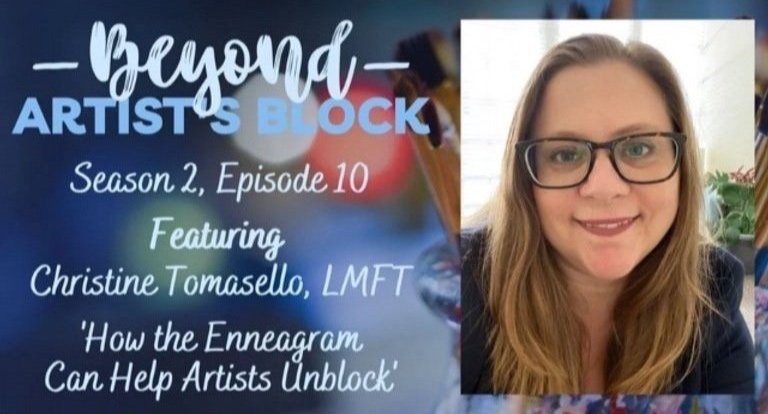
I was honored to be a guest on Beyond Artist's Block, a podcast created by Rachel Moore, LMFT that explores the intersections between art, creativity, and mental health.
In the show, Rachel and I talk in depth about my favorite personality tool, the Enneagram, and how it relates to creativity. We explore some of the different Enneagram types, how your Enneagram type might influence your inner critic, and my thoughts on the 3-way connection between Enneagram types, vulnerability, and creativity.
People say that grief is a journey, but that's not quite right. Journey implies an end, that we will reach a final destination where we will no longer feel grief. Anyone who has lost someone they love knows that's not how grief works. It's true that the intensity of grief diminishes over time and we learn (willingly or not) how to incorporate the loss of our person into our lives as we heal... but that's not the same thing as reaching the end of grief.
A highly sensitive person or HSP is an individual who feels overwhelmed or experiences heightened responses to stimuli. This is often a heightened emotional reaction to everyday situations and events. What does that really mean? Many HSPs go through life feeling overwhelmed or like there’s something wrong with them. They think that responding differently means that people just don’t understand them. It can feel very lonely and isolating, and many HSPs try to disguise or repress their responses in order to fit in.
Grief is not something anyone enjoys. It is a difficult, painful process. Whether you are experiencing bereavement, the specific kind of grief related to the loss of a loved one who has passed away, or grief following another type of loss, allowing yourself to mourn and come to terms with the loss is essential. This can be especially true for someone who is considered a Highly Sensitive Person (HSP). HSPs are people who feel things more deeply, experience a stronger connection with their emotions, or need more time to process feelings. When HSPs are working through grief and loss, they may have a different experience compared with people who are not highly sensitive. In this blog, we’ll talk a bit about how grief can impact HSPs differently and what they should keep in mind when navigating the grief process.
As therapists, we frequently find ourselves advising friends, loved ones, and potential clients that going to therapy is a good thing. We tell them that when they are struggling, it’s okay to seek support. We fight against the stigma related to therapy and stand up for the value of the care we provide to our clients. However, we don’t always do a great job of remembering the necessity and value of therapy when we're struggling ourselves. In this blog, we’ll take some time to remind you, fellow therapist, why it’s so important to remember to take our own advice and touch base with a therapist regularly.
As an HSP, I know what it means to have intense emotions and feel feelings very deeply. I know what it’s like to have big, painful, scary, gut-wrenching emotions caused by heartache, and I also know that it’s a journey you can get through. This blog is intended to offer you tips to help you navigate the turbulent times post-breakup and tools to support yourself as you go through this heartache. It won’t take the ache away but will lessen the pain and help you not drown in the sorrow.
Highly Sensitive People can struggle with change. And, life is all about change. We are constantly changing our minds, changing our perspectives, and changing our appearance. Some changes go unexpectedly smoothly. Things just feel like they fall into place with ease. Other times, you’ve planned for the change. You’re even looking forward to it, but it feels like everything is going wrong. This can happen with any transition, but in this blog, I’m going to take a look at four transitions that are often harder than we anticipate.
Highly Sensitive People often struggle deeply with grief… it can be even harder during the holidays. During this joyful season, it may seem like everywhere you look people are happy and having a great time with their loved ones. If you’re grieving, this may leave you feeling isolated and all alone in your feelings. Even when the world seems to be telling you this season is a time of happiness and joy, it's important to honor the emotions you’re experiencing and show yourself some grace.
HSPs feel their feelings… deeply. It’s common to feel overpowered by a wave of emotions. Metaphors, similes, and figurative language are all an essential part of how we as humans literally come to terms with big ideas and emotions. One of the most often used (cliché) similes about feelings is that emotions are like waves. You experience a wave of emotions. You’re overcome by a wave of emotions.
I’ve heard from so many HSPs that they had a very difficult time finding a therapist who understood their high sensitivity. Therapists have different styles, and to achieve your therapy goals, you have to find a therapist who has a style that works for you and your sensitivity.
Deciding to work with a therapist is a big step. People who are considering counseling can spend weeks, months, or even years vacillating back and forth before making the call to schedule a therapy session. If you’re on the fence or want to schedule a therapy session but keep talking yourself out of it, this blog may be able to help you find a reason to take the next step.
Therapy is evidence-based treatment to help people who are struggling with mood, cognitive, and behavioral disorders. I’m Christine Tomasello, a Licensed Marriage and Family Therapist (LMFT), and in this blog, I’m going to talk through what therapy is and what it isn’t.